
Generative AI is rapidly becoming a standard tool in American courtrooms, bringing both significant opportunities and novel challenges to the legal system. When utilized correctly, AI has the potential to streamline workflows, help clear judicial backlogs, and provide valuable drafting assistance to both lawyers and clerks. However, recent controversies, including lawyers submitting briefs with hallucinated citations and judges issuing orders containing AI-generated errors, highlight the challenges of usefully and accurately integrating the technology into the legal system. Rather than assuming AI in courts is either inherently dangerous or inherently beneficial, this discussion focuses on how to distinguish helpful uses from problematic use cases in the courtroom.
This panel brings together leading voices to explore how courts and practitioners can capture AI’s benefits while managing its risks:
Judicial Use of AI: Opportunities and Boundaries
- The positive potential: How judges and law clerks can safely leverage AI for routine drafting, research assistance, and managing heavy dockets.
- Lessons from the Wingate and Neals cases: What went wrong, and what would responsible judicial AI use look like?
The Lawyer’s Dilemma: Responsibility for AI-Generated Errors
- Who bears the cost when AI hallucinations appear in filings—opposing counsel, the submitting party, or the court?
Access to Justice Revisited
- Can AI-assisted legal services genuinely expand access to justice?
Transparency and Accountability
- Best practices around AI Use in the Courtroom by Judges and Lawyers
- Addressing concerns around the modification of dockets and “corrected” orders
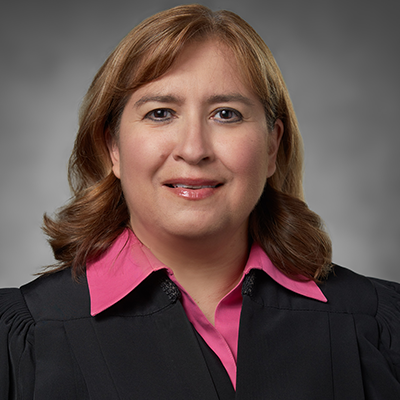 Hon. Yvonne Campos
 Shlomo Klapper
 Harry Surden
 Erica R. Yew