
Marina Del Cassio
How did settlers’ legal ideas about California Indian land use affect government and vigilante strategies in the early years of the American invasion? By the mid-1840s, an influx of ranchers possessing guns and large herds was putting increasing pressure on Native land burning and deer hunting strategies. Many California Indians responded by hunting the growing populations of horses instead. Rather than viewing this hunting as an exercise of territorial sovereignty, Anglo and Californio settlers alike decried it as private property theft. Actual Native control of the landscape led these settlers to call for the establishment of a strong American government that would “police” Indian horse theft. Rather than employing a military strategy against Native polities, the first California legislature in 1850 mandated criminal punishment, including whippings, both for horse theft and for burning the prairies. Although the nascent state possessed little enforcement capacity, its criminal law approach to Indian land use encouraged vigilantism, a key mechanism of the genocide that was just beginning.
Alon Jasper
This paper examines how the Five Nations—Cherokee, Chickasaw, Choctaw, Creek, and Seminole—engaged in legal and political struggles over railroad construction in Indian Territory between 1855 and 1886. Rather than passive victims of colonial expansion, Indigenous leaders navigated, resisted, and sometimes leveraged railroad development to maintain sovereignty over their lands. Legal battles over treaties, property rights, and corporate structures shaped the trajectory of railroad expansion, challenging the assumption of its inevitability. Case studies, including the 1866 post-Civil War treaties and ‘Special Case 136,’ reveal how federal policies commodified Native land while railroads acted as agents of U.S. expansion. Despite strategic negotiations and legal assertions by the Nations, U.S. law ultimately favored railroad interests, eroding treaty protections. This study underscores how infrastructure projects have long been sites of Indigenous resistance and legal contestation, with lasting implications for sovereignty and jurisdiction.
Christian McMillan
When, in 1819, Chief Justice John Marshall, in McCulloch v. Maryland wrote that “the power to tax involves the power to destroy” he was not referring to Native people. But the power he referred to very much applied. More than one hundred after Marshall wrote his famous phrase, lawyers adopted in a series of tax cases involving allotments. And they meant it literally: the power to tax Indian land was destroying the Native land base across the Allotted United States. When the BIA issued more than 10,000 fee patents to replace trust patents, without application or consent, each and every allotment was placed on county tax rolls leading to widespread economic hardship and dispossession. But beginning with three Coeur D’Alene men who got their case to the Ninth Circuit Court of Appeals in 1923—and won—Native people began the long struggle to combat rampant fee patenting. They forced the government, in limited but important ways, to uphold its trust responsibility. By the time a wave of tax cases had crested in the late 1930s, the Native view—that trust patents contained a solemn agreement and vested them with tax free land—had become the position of the Department of Justice as well as the federal courts. This was an extraordinary vindication of the stance that the Coeur D’Alene took in 1916 when they refused to accept their patents and would not pay their taxes.
Jimmy Sweet
Historians typically study the role of the federal government in the dispossession of Indigenous lands in the United States, but territorial, state, and local governments in the nineteenth century facilitated the dispossession of Native land using a variety of legal tactics. State and territorial legislatures, local courts, county governments, and private land companies often worked independently of federal action to dispossess Indigenous nations. Focusing on the Sac and Fox “half-breed” reservation in southeastern Iowa in the first half of the nineteenth century, I demonstrate how in the wake of federal actions, local settler institutions worked to undermine Indigenous land ownership and facilitated the transfer of land out of Native hands.
Chair: José Argueta Funes, UC Berkeley Law
 Marina Del Cassio
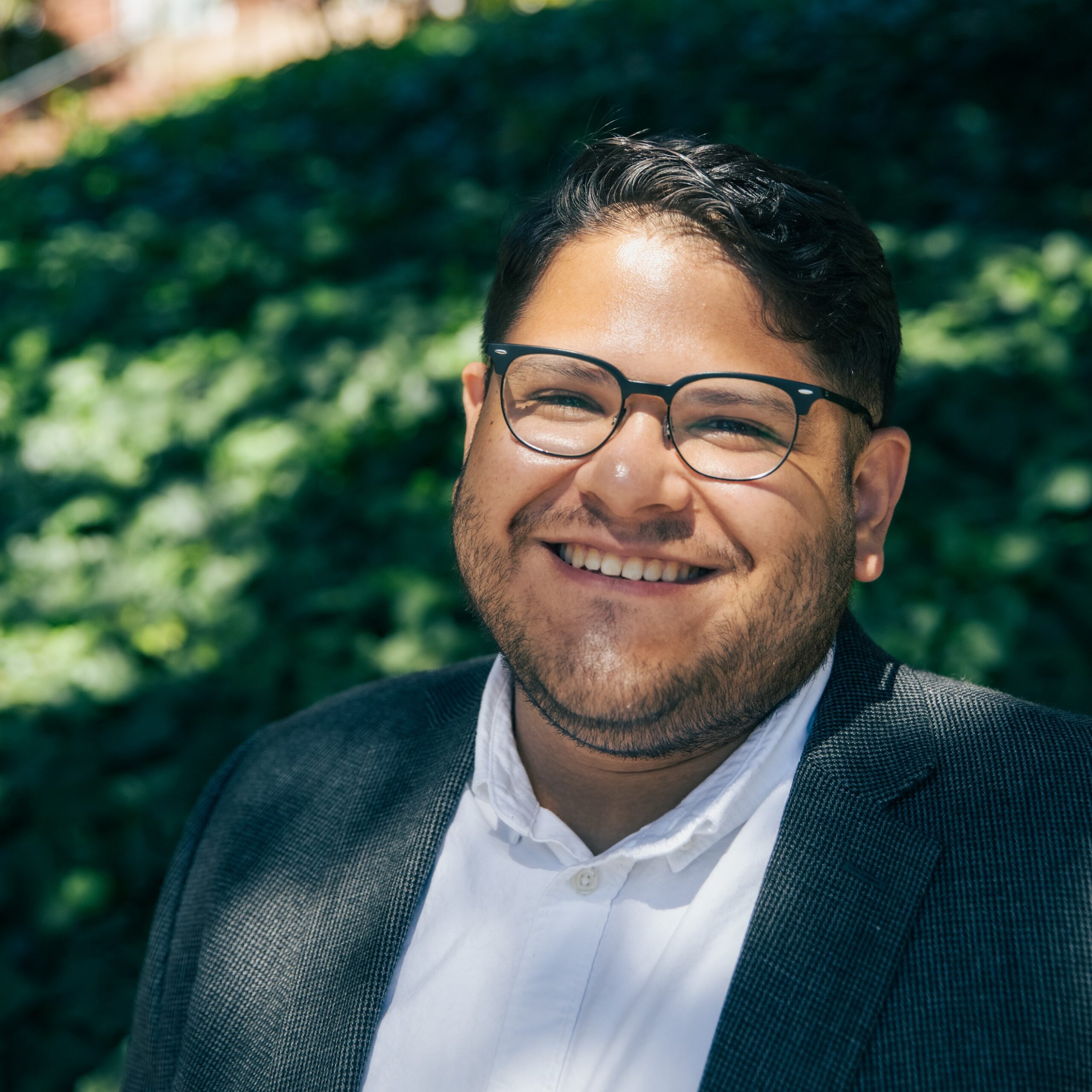 José Argueta Funes
 Alon Jasper
 Christian W. McMillen
 Jimmy Sweet