 Directors' College 2023
The Evolving Workforce: Work-from-Anywhere, Unionization, Racial Equity Audits, and Quiet Resignation
Human capital is a critical determinant of corporate value, and changes in workforce composition, worker preferences, and employee skill mix now create novel and profound human capital challenges across the economy. COVID taught that not all employees must show up at the office every working day to be productive. Instead, work-from-anywhere arrangements, properly managed, can enhance productivity. Employees are demanding better “work-life” balance, and seek fringe benefits that promote this objective. To some, these demands come hand-in-hand with a perceived lower commitment to career advancement, a phenomenon consistent with the “act your wage” movement, and with observations about a “quiet resignation.” Younger workers also display a preference for unionization that hasn’t been observed for decades. Meanwhile, Delaware’s courts, the SEC, and investors express far greater interest in workforce issues, and some investors now advocate for “racial equity audits” that measure and disclose a range of workforce diversity characteristics. Much of this interest draws energy from the #metoo movement, which remains a vibrant force for gender equity. These issues were historically the province of management and rarely rose to the level of board concern. But those days are over. A broad range of workforce issues are now proper fodder for board discussion, and this session will offer practical advice for boards seeking to adopt best practices that are properly tailored to the specific circumstances of their company.
 Diane L. McGimsey
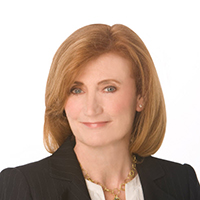 Cathy Benko
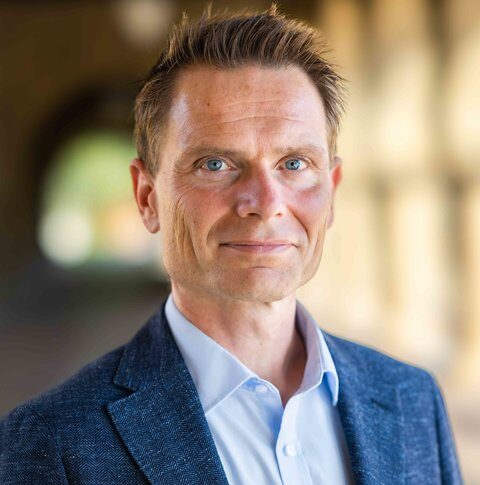 Nick Bloom

© Stanford University. Stanford, California 94305.